Urethral Play: The Complete Guide to Sounds, Plugs, Stretching & Vibration
Urethral play explained: sounding, penis plugs, stretching, and vibration — what each practice is, how they relate, where to start, and how to stay safe.
 By Kevin Voss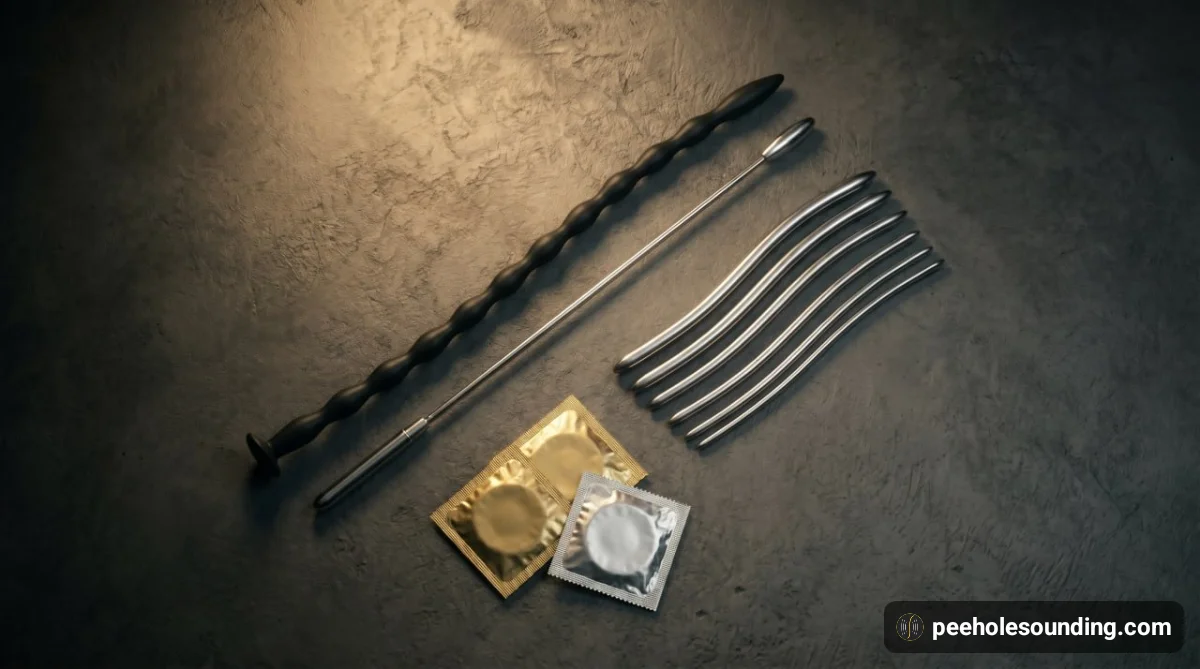
What is urethral play? Urethral play is the practice of stimulating the urethra for sexual pleasure. The best-known form is sounding (sliding a smooth, sterile rod into the urethra), but the term also covers penis plugs, gradual stretching, vibration, and e-stim. With body-safe gear, sterile technique, and patience, it's a learnable skill with an intense payoff.
I've been doing this for about ten years, and this is the page I wish existed when I started: the whole map in one place. What each practice actually is, how they relate to each other, where a beginner should start, and where the real depth lives. I'm not a doctor. This comes from personal experience and research, and I'll always tell you to see a healthcare provider when something feels wrong.
What Is Urethral Play?
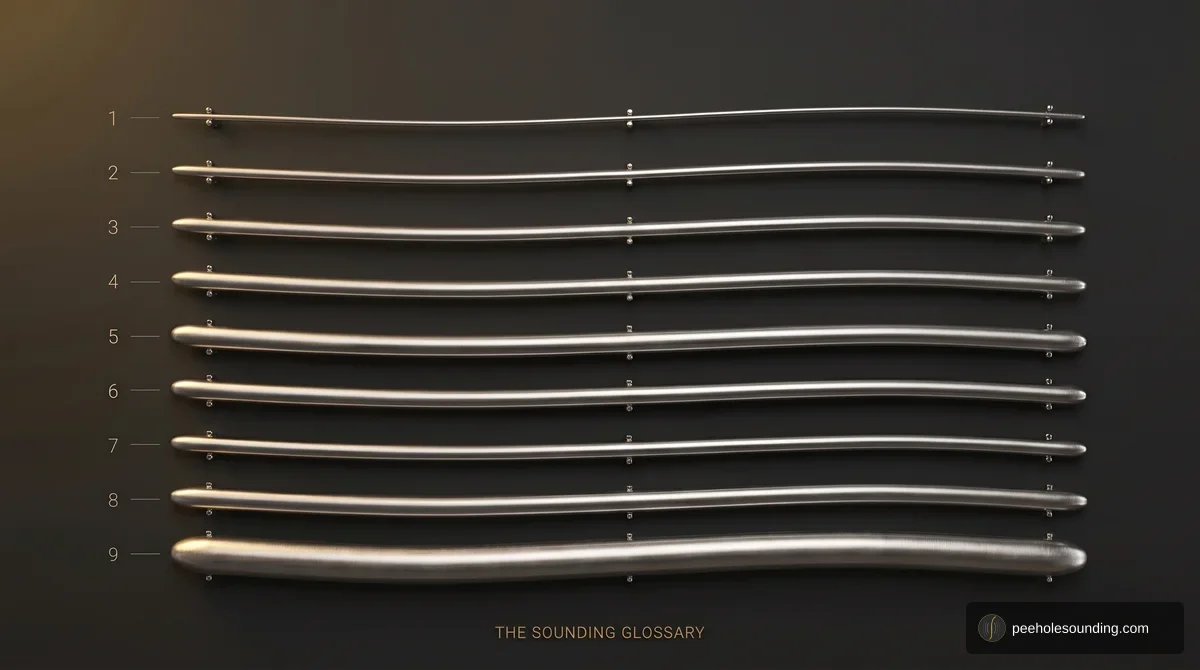
Urethral play is the umbrella term. Sounding, plugs, stretching, vibration: they're all branches of the same tree. Each one is deliberate stimulation of the urethra, the tube that carries urine out of your body. Medical sites and most of the internet call all of it "urethral sounding", which is a bit like calling every kind of cooking "baking". If you want the deep definitional dive, I cover what urethral sounding actually is in its own guide. And when you trip over an unfamiliar word anywhere on this map (meatus, Hegar, French sizes), the sounding glossary defines every term in urethral play on one page.
Why do people do it? The urethra is lined with nerve endings that almost nothing else in life touches. The sensation is internal pressure and fullness rather than surface friction. It's a different category of feeling entirely. Add the psychological side (it's taboo, it's intense, it demands surrender or control depending on which side of it you're on) and you get a practice people stick with for decades. I wrote an honest answer to does sounding feel good if you want the full sensation breakdown.
Quick reality check: done properly, this is a reasonable, learnable kink. Done impatiently with the wrong objects, it's a trip to urgent care. The difference is technique and gear, and both are coverable. That's what this site is for.
The Types of Urethral Play
Four branches make up almost everything people do with a urethra. Here's the map before the details:
| Practice | Sensation profile | Difficulty | Risk if rushed | Best for |
|---|---|---|---|---|
| Sounding | Deep, moving fullness | Beginner-friendly | Moderate | First-timers, depth explorers |
| Penis plugs | Constant, wearable pressure | Beginner-friendly | Moderate | Hands-free, longer sessions |
| Stretching | Gradual girth and capacity | Advanced, slow | Higher | Long-term commitment |
| Vibration and e-stim | Amplified intensity | Intermediate+ | Higher | Practitioners wanting more |
Urethral Sounding
Sounding is the gateway practice and the trunk of the whole tree. A smooth rod, usually surgical steel or silicone, slides into the urethra and moves slowly to create that signature deep pressure. Almost everyone starts here because the skills it teaches (sterile prep, lube discipline, reading your body's signals) transfer to every other branch. Start with the types of urethral sounds to see the instrument families, then read up on Hegar sounds, the reliable starter set most of us began with.
Penis Plugs and Wearables
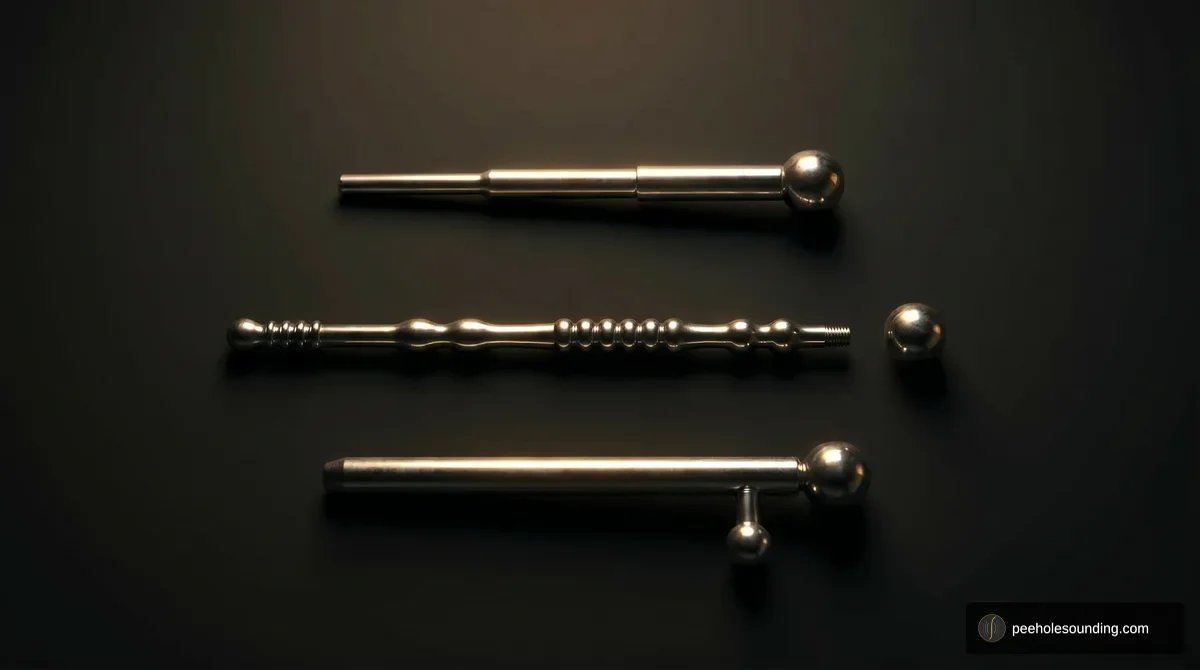
A plug is a short sound that stays put. Instead of the in-and-out motion of sounding, you get constant, hands-free pressure. Some people wear them through an entire session, and hollow versions let you orgasm with the plug still in. They sit at the jewelry end of the spectrum too, with glans rings and decorative ends. My penis plugs buyer's guide covers the shapes, materials, and which ones are actually worth buying.
Urethral Stretching
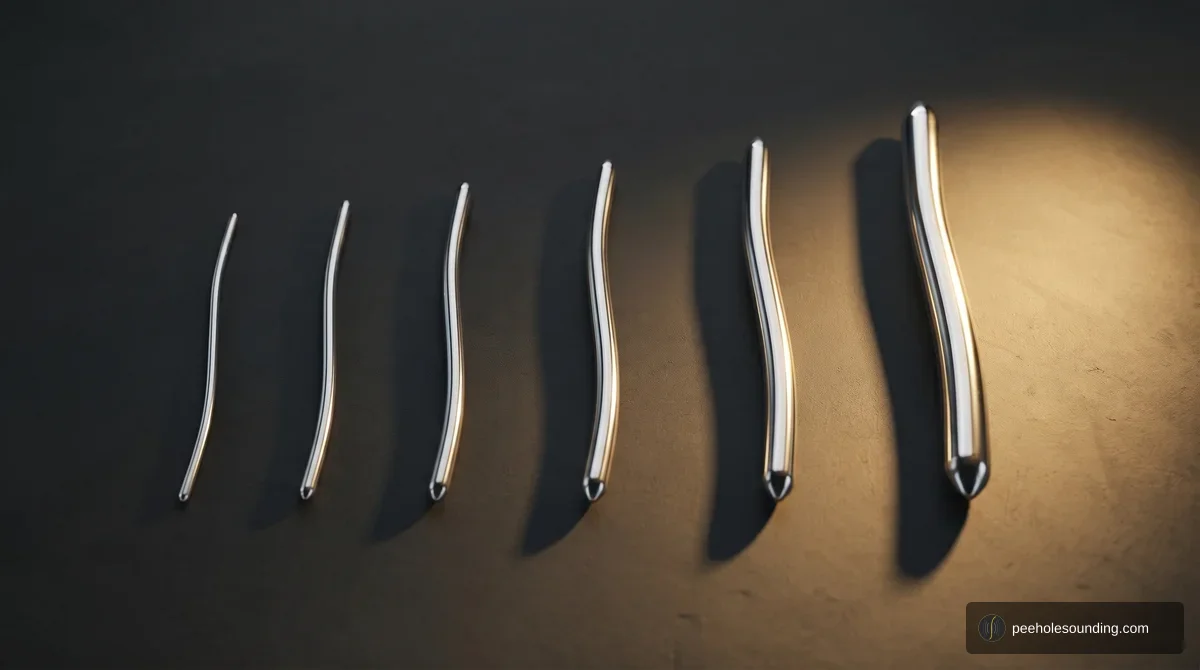
Stretching is the long game: gradually increasing the size your urethra comfortably accepts, over months, one small step at a time. It's not a beginner practice, and it rewards patience above everything else. Rushing is how people get hurt. If slow, deliberate progression appeals to you, the urethral stretching guide covers schedules and technique, and what size sounding rod explains how sizing actually works.
Vibration and E-Stim
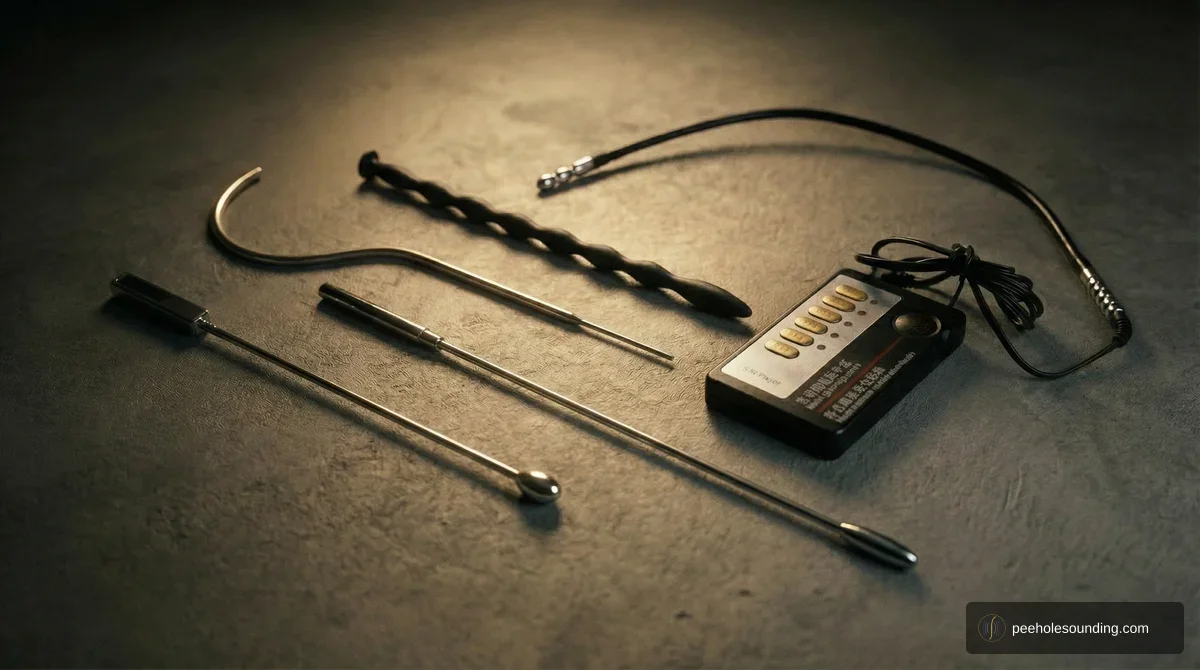
This branch doesn't replace the others. It amplifies them. Vibrating sounds add a buzz that travels through the whole pelvic floor, and e-stim sounds pulse current through the most nerve-dense tissue you own. Both are intensity multipliers best explored after you're comfortable with basic sounding. The vibrating section of my types of urethral sounds guide is the right starting point.
How the Practices Relate: The Progression Map
Here's the thing nobody tells beginners: these aren't levels you graduate through. They're branches growing from one trunk.
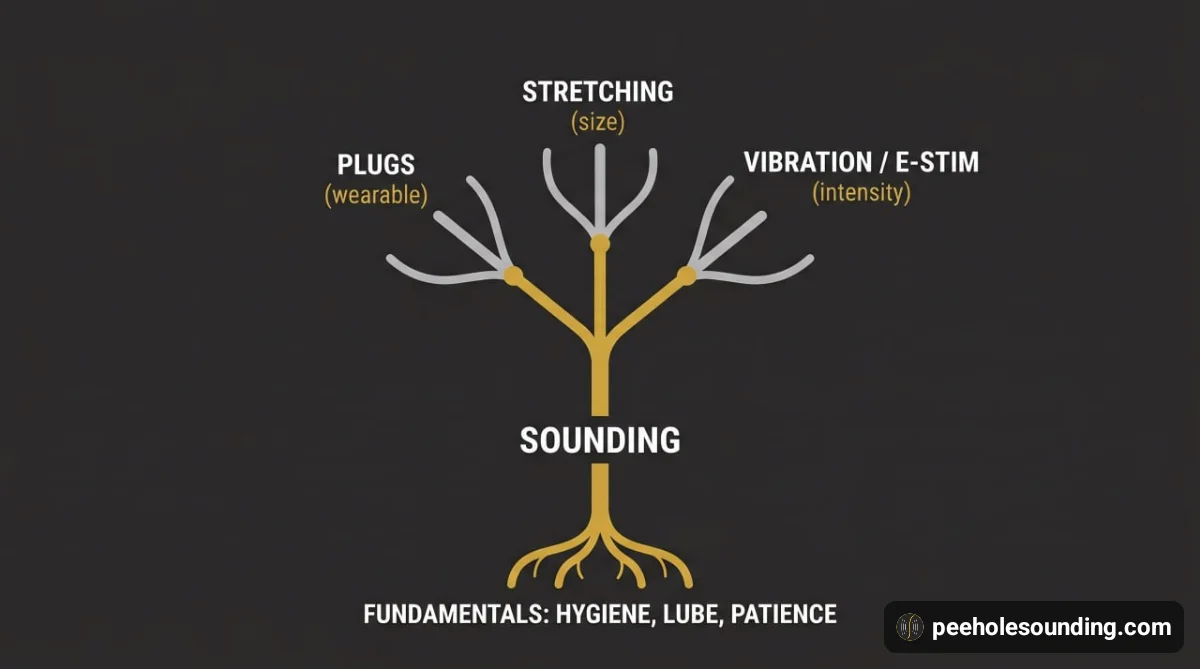
Sounding teaches the fundamentals: hygiene, lube, patience, body awareness. Once those are solid, the branches are preferences, not promotions. Plugs branch toward wearable, hands-free play. Stretching branches toward size and capacity. Vibration and e-stim branch toward raw intensity, and they can overlay either of the other two.
I started with a basic Hegar set and spent my first couple of years just sounding. I detoured into plugs because I wanted hands-free sessions, and I never went deep on e-stim. It's just not my thing. That's a complete, satisfying practice. You don't owe anyone a tour of every branch.
The practical takeaway: start at the trunk, then follow whichever branch actually appeals to you. Don't let anyone convince you stretching is "the next step". It's a different direction, not a higher rank.
How to Start: Urethral Play for Beginners
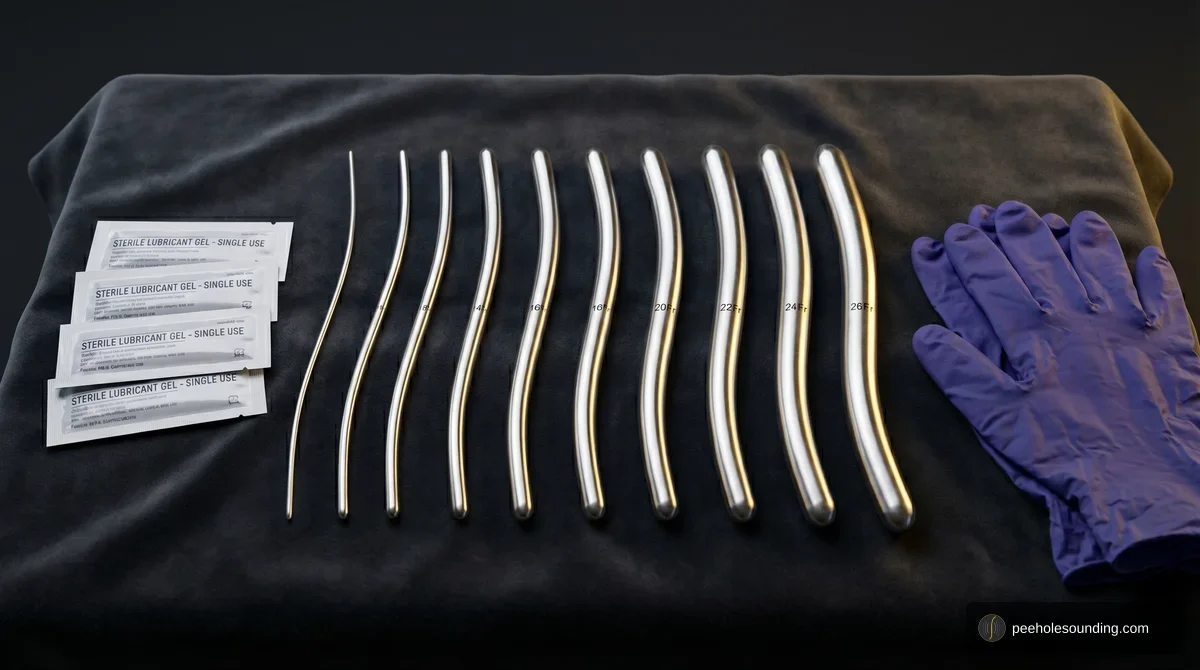
The short answer: start with sounding, using a mid-size sound, not the thinnest one in the set. Very thin sounds are harder to control and easier to misplace, which is why the community consensus is to begin in the middle of a starter set. Silicone or surgical-steel Hegar sets are both fine first choices.
A first session compresses to four steps:
- Sterilize everything. The sound, your hands, the surface you're working on.
- Lube generously. Sterile, water-based lube, and more than you think you need.
- Insert slowly. Let gravity and your body do the work. No pushing.
- Stop at resistance. Resistance is information, not a challenge.
That's the shape of it, but please don't treat four bullet points as a complete education. The beginner's guide to urethral sounding is the full walkthrough, how to insert a urethral sound covers technique in detail, and the sounding rod size chart translates sizing systems into actual millimeters.
I bought my first set off Amazon with no idea what size to start with, and the guesswork made everything more stressful than it needed to be. Skip that mistake. Twenty minutes of reading saves a genuinely uncomfortable evening.
Male vs Female Urethral Play
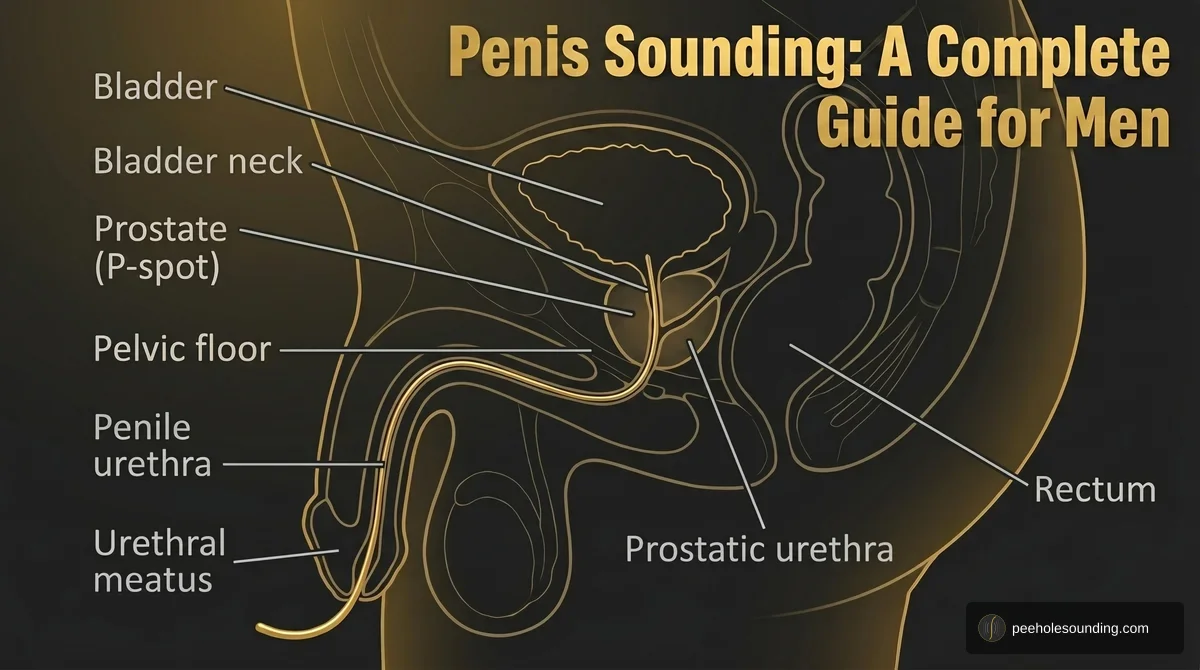
Same practice, meaningfully different anatomy. A man's urethra runs roughly 8 inches from opening to bladder, with the prostate as a famous waypoint along the way. Deep sounding and prostate stimulation are a big part of why men stick with this. The penis sounding guide for men covers the male-specific technique.
A woman's urethra is much shorter, around 1.5 inches, and surrounded by some of the most nerve-dense tissue in the body. That means two things: sensation arrives faster with less depth, and the bladder is much closer, so hygiene rules tighten considerably. Shorter sounds, stricter sterilization, and emptying your bladder after play matter more for women, not less. The female urethral sounding guide is one of the few thorough resources on the topic anywhere, and I'd call it required reading before a first session. For the branches beyond sounding, from external U-spot play to wearable plugs, see female urethral play.
Neither version is the "real" one. Most writing on this topic, and honestly most of the community, defaults to male anatomy. That's exactly why the female guide exists.
Staying Safe: The Non-Negotiables
Safety in urethral play isn't a list of warnings bolted onto the fun part. It IS the technique. Five rules carry most of the weight:
- Purpose-made, body-safe gear only. Surgical steel or medical-grade silicone, smooth, flared or ringed where appropriate. Never household objects. Improvised objects are the single biggest source of the injuries doctors see.
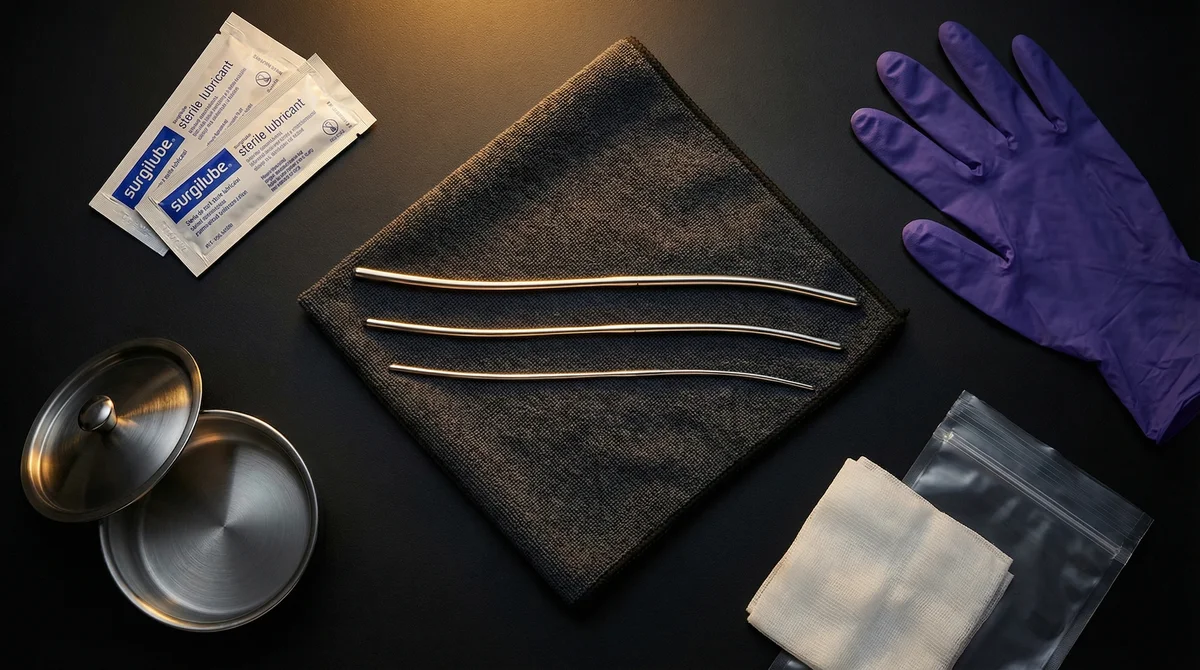
- Sterilize every session. Not rinse. Sterilize. The cleaning and sterilization guide shows the methods that actually work.
- Sterile lube, generously. Regular bedroom lube isn't the right tool. Here's what lube is safe for sounding.
- Never force past resistance. Pain and resistance are stop signals. Every time.
- Know your warning signs. A little pink tinge after a first session can happen. Bright red blood, fever, burning that lasts beyond a day, or trouble urinating mean you stop and call a doctor. No shame: urologists have seen far stranger, and being honest with them gets you better care.
The full safety protocols guide goes deeper on every one of these, and if fear is the thing holding you back, the sounding myths and misconceptions article separates the real risks from the internet folklore.
Toys and Equipment at a Glance
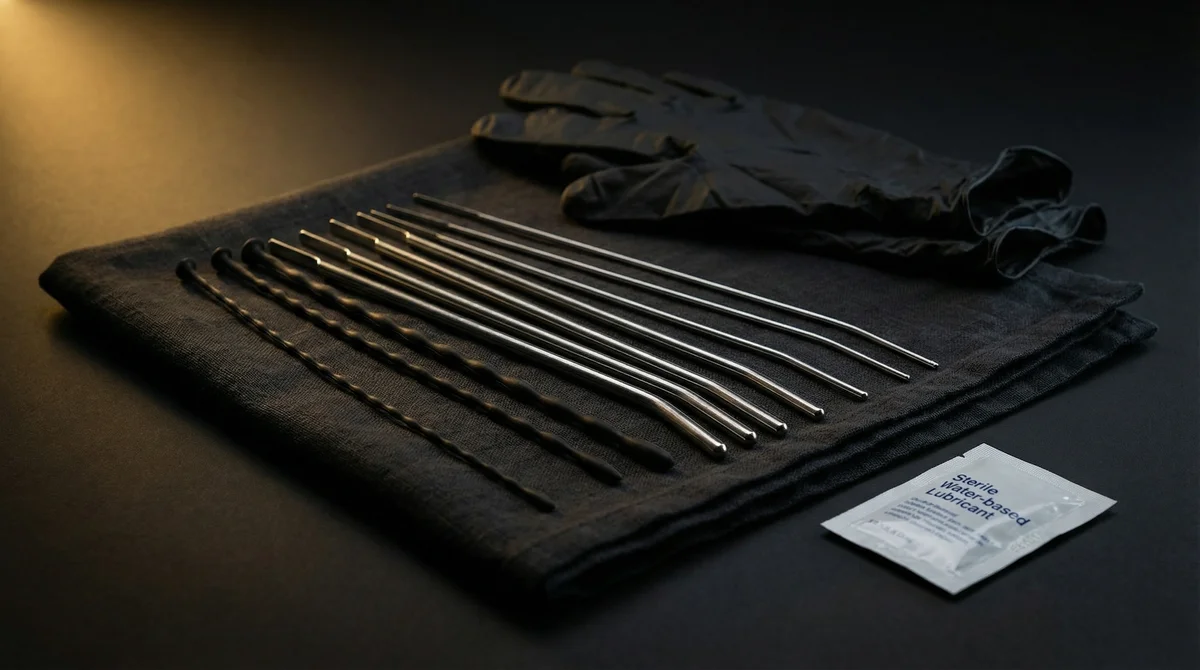
You need less than you think, but what you need has to be right. A starter sounding set (silicone or Hegar steel), sterile water-based lube, and a sterilization method. That's a complete first kit. Plugs come later if wearable pressure appeals to you; the types of urethral sounds guide and the size chart will tell you exactly what you're looking at in any product listing.
One honest warning: skip the no-name Amazon mystery metal. If a listing can't tell you the exact material, it doesn't go in your urethra. The penis plugs guide and lube guide name specific products that pass that bar.
Frequently Asked Questions
Related Guides
What Is Urethral Sounding? A Complete Guide to Safety, Pleasure & Getting Started
Feb 15
The Sounding Glossary: Every Term in Urethral Play, Defined
Jul 6
Urethral Sounding for Beginners: Sizes & First Session
Apr 5
Sounding Toy Guide: Types, Materials & How to Choose
Mar 10
Urethral Stretching Guide: Safe Progressive Dilation for Beginners
Apr 24
Best Penis Plugs in 2026: A Beginner-Friendly Buyer's Guide
Apr 16

Female Urethral Sounding: Beginner Techniques & Safety
Mar 30
Penis Sounding for Men: Sizes, Safety & Prostate Technique
May 9
Is Sounding Safe? Sounding Safety Protocols & Risks
Mar 5