Best Penis Plugs in 2026: A Beginner-Friendly Buyer's Guide
My honest picks for the best penis plugs in 2026 — hollow, solid, through-hole, cum-thru, ridged, vibrating, and e-stim — with sizing and safety guidance.
 By Kevin Voss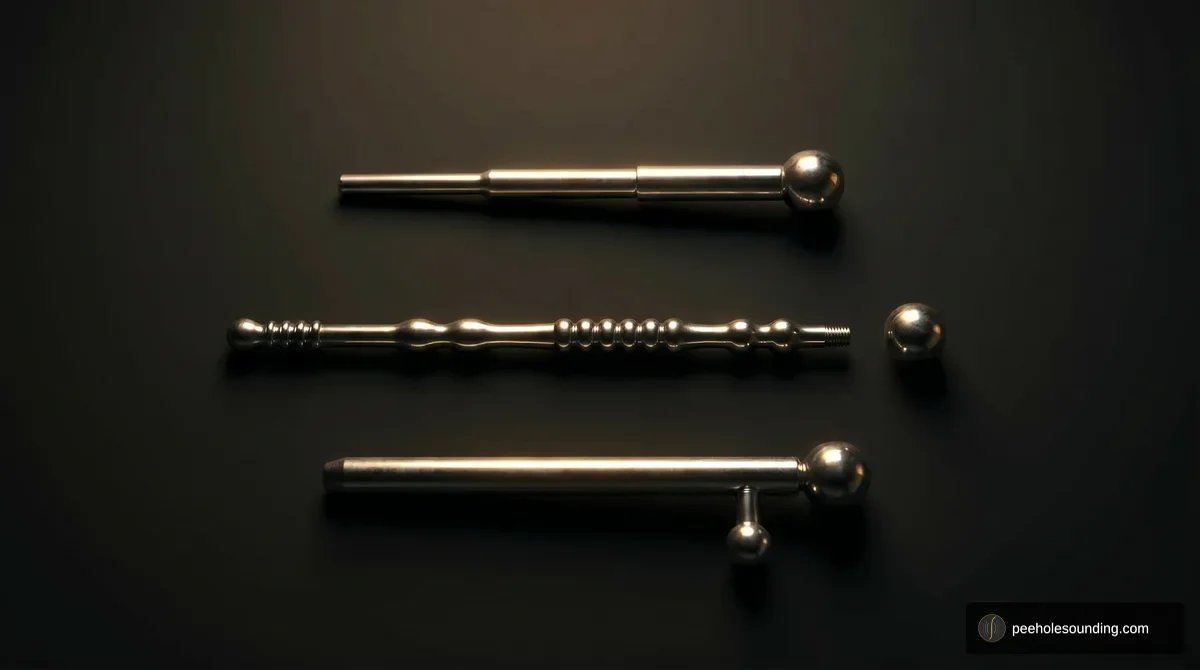
The best penis plug for most people is a smooth, tapered, solid stainless steel plug with a clearly wider base. That's the short answer. If you want something you can wear longer, a hollow through-hole design in steel is what I'd hand you next. Everything below is why, how to pick between the variants, and who each one is actually for.
I've been sounding for about ten years. Plugs came into my rotation a few years in, once I wanted something shorter than a full rod: something I could insert, settle into, and forget about for a while. I've cycled through a lot of them. This guide is what I'd tell a friend who messaged me asking what to buy first.
I'm not a doctor. This article is based on my personal experience and community-accepted practice. Always consult a healthcare provider for medical concerns.
Quick picks at a glance
If you only read one section, read this one.
- Best overall: solid steel, smooth, tapered, wider base
- Best for beginners: graduated silicone kit, hollow
- Best for daily wear: hollow steel, glans-ring base
- Best cum-thru: hollow steel, wide-bore tip
- Best textured: smooth-transition ridges, steel
- Best vibrating: hollow plug, removable bullet
- Best e-stim: dual-contact, advanced only
- Best budget: silicone, hollow, pull ring
What a penis plug actually is (and isn't)
A penis plug is a short urethral insert designed to sit inside the meatus and first section of the urethra, usually 1.5 to 3 inches long. It's held in place by a wider base, a glans ring, or a pressure ridge, so it doesn't migrate deeper into your body. Some are solid; some are hollow and let urine or semen pass through.
That's it. They're not mini-sounds, even though the two categories overlap. Plugs stay shallow. Sounds are long, flexible or rigid rods meant for deeper urethral insertion. If you're trying to reach the prostate from the inside, you want a sound. If you want the pinpoint fullness of something sitting right at the opening (wearable, noticeable, sometimes for hours), you want a plug. And if you want to gradually widen the urethra so you can comfortably handle bigger sounds later, you want a dedicated dilator instead.
People use plugs for three overlapping reasons: the internal pressure and sensitivity they create at the most nerve-dense part of the penis, piercing-style body jewelry without a permanent Prince Albert, and chastity or extended-wear play with a partner.
If you've already used a sound, a plug is basically the demo version of the first inch or two of that sensation: the initial stretch, the pinpoint fullness, the weight, concentrated and held there. You're trading the deeper travel a sound gives you for something you can insert, settle into, and forget about. That's not a downgrade. It's a different tool.
Penis plug vs urethral sound
| Penis plug | Urethral sound | |
|---|---|---|
| Length | 1.5" to 3" (38-76mm) | 5" to 12"+ (127-305mm) |
| Depth | Stays near the meatus | Reaches deep urethra, sometimes bladder |
| Wearable? | Yes, many are designed for it | Almost never; for session use |
| Base | Wider base, glans ring, or pressure ridge | Usually a curved handle |
| Primary sensation | Pinpoint fullness at the tip | Deep internal pressure, prostate stimulation |
| Beginner-friendly? | Yes; shallow insertion is forgiving | Requires size progression and practice |
Plugs are where a lot of people start, and honestly where some people stay. There's no hierarchy here. For background, what is urethral sounding covers the overall practice, and types of urethral sounds walks through the rod side of the category.
How I picked these
I'm not a retailer. I don't get paid per click. What you're reading is the ranking I'd give a friend over a beer, based on what I actually own, what I've retired, and what I've watched work for people in the community.
Here's what I weigh, in roughly this order:
- Material safety. Surgical-grade stainless steel (non-magnetic 316L is the gold standard), platinum-cure silicone, or borosilicate glass. Anything else (cheap chrome plating, unmarked "metal", mystery polymers) is a pass.
- A genuinely wider base. The plug has to physically not fit through the meatus, no matter how aroused or relaxed you are. Retrieval surgery is real.
- Finish quality. Smooth welds, no machining burrs, no sharp edges. Run a fingernail around every surface of a plug before you insert it.
- Sizing honesty. A "6mm" plug should actually be 6mm. Cheap no-name plugs are often 1-2mm off their listed size, usually larger.
- Beginner-friendliness of the listing. A product that bundles a few sizes, includes a case, and provides clean documentation tells me the brand cares about repeat customers.
I bought my first plug off Amazon with zero research. It was a budget stainless set that looked fine in photos, and in person it had a visible seam ridge I could feel with my fingernail. I didn't insert it. That set lives in a drawer somewhere as a reminder to check finish quality before ordering, not after.
The best penis plugs in 2026
1. Best overall: a smooth tapered solid steel plug
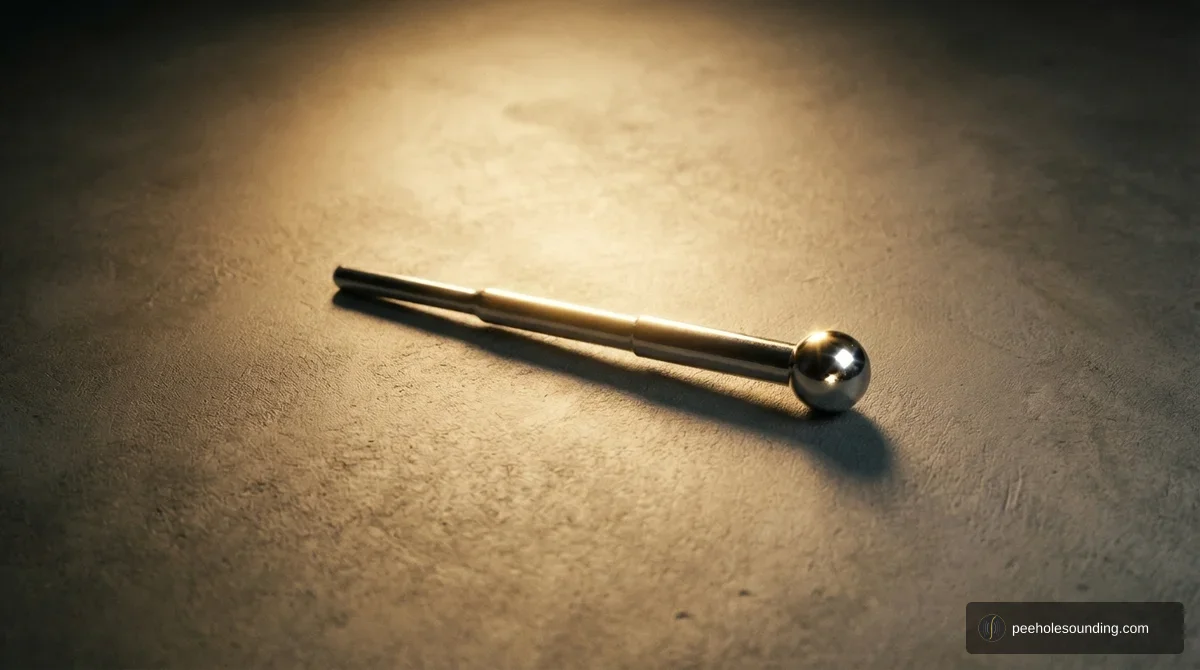
My top pick is the category, not a single SKU. Look for 316L surgical steel, a mirror-polished finish, a short insertable length, a clearly wider base with a rounded glans hook or ring, and real weight in the hand. The weight pulls the plug gently downward once seated, so you get a steady sense of fullness without active pressure; the smooth finish slides in cleanly with sterile lube; the single-piece construction sterilizes easily.
Skip if you're a complete first-timer. Steel gives you less room for small mistakes than silicone. Less consequential on a short plug than on a deep sound, but still a slightly steeper learning curve. Start with pick #2 for a session or two and come back.
2. Best for beginners: a graduated hollow silicone set
Most credible beginner recommendations land here for a reason: multiple graduated sizes in one kit, soft platinum-cure silicone, a hollow channel so you can pull out to pee, and a price point that doesn't punish a wrong guess. Look for three-to-five-piece sets in a reusable case. Price per piece drops a lot compared to singles.
Because plugs stay shallow, the "steel is unforgiving" warning from the sounds world is dialed way down here. You can start on steel and be fine. But silicone still gives you a real margin: it bends against a curve, forgives uneven pressure, and turns a size misjudgement from a cut into a scrape. Worth the slightly draggy feel for a first session.
Pick a size that matches you, not an aspirational one. The biggest beginner mistake I see is grabbing the largest piece in a graduated kit because it looks "normal." Oversized plugs don't stretch you gently. They tear. Start at the smallest piece that seats comfortably, and only size up after a handful of clean sessions with no soreness afterward.
Skip if you've already sounded and want the sharper sensation of steel.
3. Best through-hole for daily wear: hollow stainless steel, wide glans ring
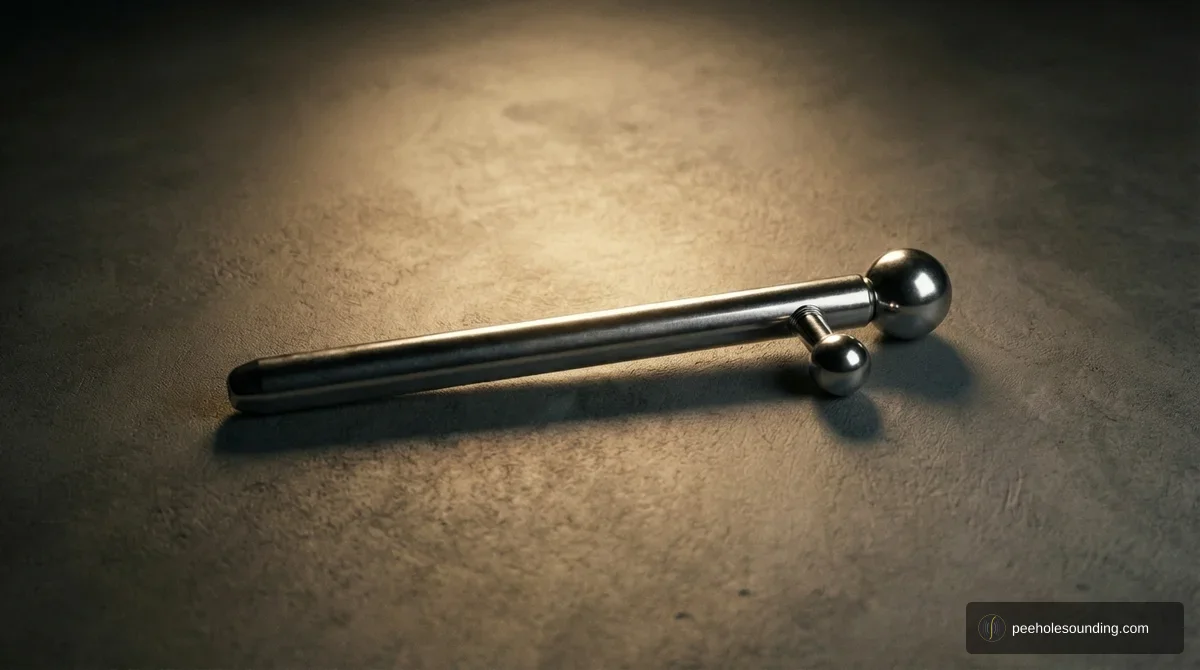
If the point is to put it in, get dressed, and keep it in for an hour or three, you want a hollow stainless plug with a wide glans ring base, not just a simple wider end. The ring wraps the glans, distributes pressure across a larger surface, and keeps the plug from migrating. Hollow means you can still pee without removal. A Prince's wand profile is a classic fit here. Bedroom wear only at first; learn how your body responds before an hour under jeans.
Skip if you haven't done at least a dozen plug sessions. Extended wear magnifies any sizing or finish problem.
4. Best cum-thru: hollow steel, wide-bore open tip
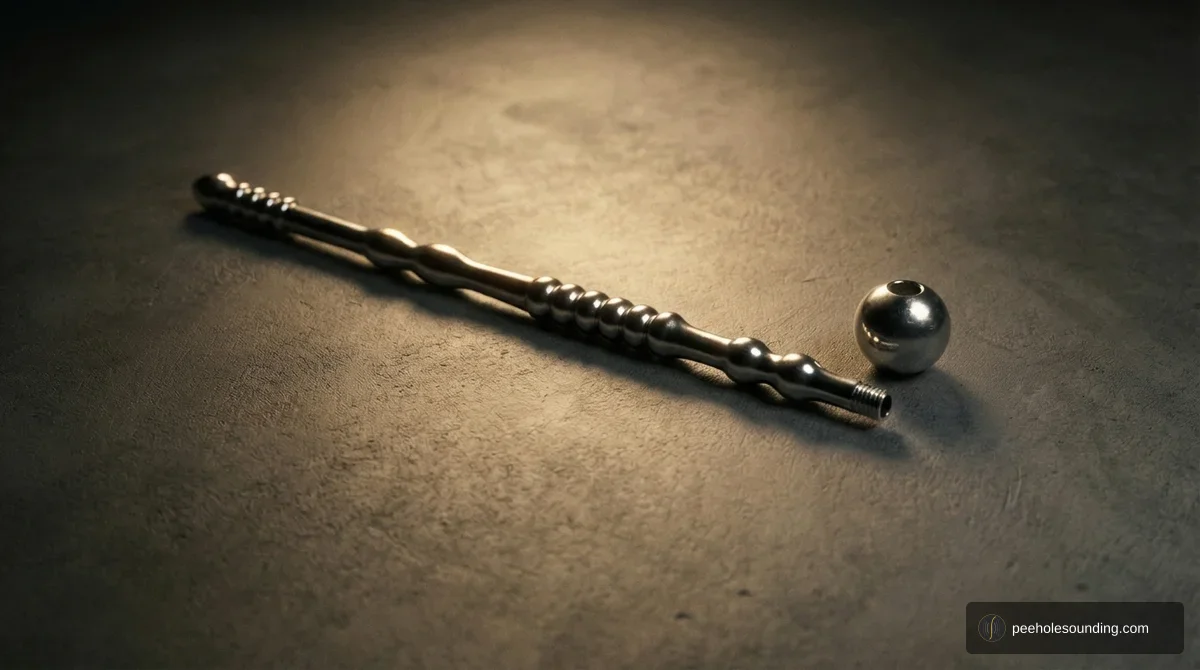
A true cum-thru is a hollow stainless plug with an open tip sized specifically to let semen and urine pass cleanly through, held in place with a shallow glans hook. Built to be worn during partnered sex without removal. Most ordinary hollow plugs have a channel that's technically passable but small enough that orgasms feel weird; the fluid backs up before it clears. Cum-thru designs are machined with a wider bore at the tip, and that difference is real. Look for a clearly specced tip opening (not just labelled "hollow"), a shallow external hook rather than a ring, and 316L steel.
Skip if you haven't tried a basic hollow plug yet. Start simpler.
5. Best ridged / textured: a smooth-transition ridged steel plug
The important word is smooth-transition. Ridged plugs come in two flavors: sinusoidal waves where ridges blend into each other, and screw-threaded plugs that are basically threaded bolts. Get the first kind. Avoid the second kind completely. Screw-threaded plugs catch on urethral tissue and cause microtears, which I've had to explain to more than one person who wondered why they were bleeding.
Done right, ridges grip the urethra (so the plug holds position during wear) and give you a variable sensation as you move. Good next step after a few smooth-plug sessions.
6. Best vibrating: hollow plug with removable bullet
Vibrating plugs are a smaller market than vibrating sounds, and the best design is usually a hollow stainless plug with a replaceable bullet vibrator that drops into the channel. Steel transmits vibration cleanly (silicone dampens it); the bullet is swappable; the plug sterilizes independently. Pick a standard bullet size so replacements are easy, and make sure the channel is wide enough to slide the bullet in and out for cleaning, not permanently captured.
Skip if you're after prostate stimulation. A vibrating sound reaches further and hits harder. Plugs vibrate the glans and first inch. A different experience.
7. Best e-stim: dual-contact e-stim penis plug
E-stim is advanced territory. You need an estim power box, an understanding of current-below-the-waist safety (never cross the heart, never DC-only units, always sterile conductive lube), and prior experience with how your body responds to TENS-style current. If all three are true, get a dual-contact e-stim plug: two insulated conductive zones in one unit so the current completes a loop through the plug itself, not through your body at large. Single-contact designs force current to exit through you, which is how people get burns and worse. Read a dedicated estim guide before buying hardware.
8. Best budget: small silicone hollow plug with pull ring
You don't need to spend a lot to find out if you like penis plugs. A small hollow silicone plug with a pull ring (the kind that shows up on almost every general sex-shop's top-10 list) is enough to tell you whether the sensation is something you want to pursue. Silicone forgives beginner mistakes, the pull ring gives you a clean way to remove it, and if you decide plugs aren't for you, you're out less than the cost of a nice dinner.
Skip if: nobody, honestly. Even experienced people keep one around at home.
Comparison table
| Pick | Material | Type | Best for | Price band |
|---|---|---|---|---|
| Smooth tapered solid steel | 316L steel | Solid, wider base | Overall experience | $$ to $$$ |
| Graduated silicone beginner set | Platinum silicone | Hollow, multi-size kit | First plug purchase | $ |
| Hollow steel, glans-ring base | 316L steel | Hollow / through-hole | Daily wear | $$$ |
| Hollow steel, wide-bore cum-thru | 316L steel | Cum-thru hollow | Sex during wear | $$ |
| Smooth-transition ridged | 316L steel | Textured | Sensation variety | $$ |
| Hollow steel + removable bullet | Steel + silicone bullet | Vibrating | Glans stimulation | $$ to $$$ |
| Dual-contact e-stim plug | Steel + insulator | E-stim | Advanced estim users | $$$ |
| Hollow silicone + pull ring | Platinum silicone | Hollow | Budget / starter | $ |
Price bands are relative. $ is what I'd call entry-level, $$ is mid-market specialty, and $$$ is premium stainless or purpose-built designs. Exact numbers shift with region, retailer, and year, so I don't pin them here. When we open our own shop, concrete prices will live there and this table will link through.
Penis plug types explained
Solid vs hollow vs through-hole vs cum-thru
These four categories describe what happens inside the plug, and they determine what you can and can't do while it's in.
| Design | Internal structure | You can urinate? | You can ejaculate? |
|---|---|---|---|
| Solid | Closed rod | No; remove first | No; remove first |
| Hollow | Small internal channel | Sometimes, slowly | Usually backs up |
| Through-hole | Full-diameter open channel | Yes | Usually yes |
| Cum-thru | Wide open tip + channel | Yes | Yes, designed for it |
Solid plugs give the sharpest fullness sensation and the cleanest single-piece sterilization. They're the easiest to start with session-style: insert, enjoy, remove. They're also the ones you must remove before orgasm, no exceptions.
Hollow plugs are the middle ground. The channel is real but small: it's there for safety and for the option to pee if you need to, not for heavy flow. Fine for sessions, okay for short wear.
Through-hole plugs have an actual open tube running through them. This is what you want for extended wear. The urethra can do its job while the plug is in.
Cum-thru plugs are a specialized through-hole design where the channel and the tip opening are sized wide enough to handle ejaculate cleanly. A detail ordinary hollow plugs don't get right.
Smooth, ridged, and Prince's wand designs
The outside profile is a separate question from what's inside.
- Smooth plugs: one diameter, polished finish. Easiest to insert, easiest to clean, what almost everyone should own first.
- Ridged plugs: sinusoidal ridges for extra sensation and better retention during wear. The smooth-transition kind only, please.
- Prince's wand: a shaft that exits the meatus and curls around the outside of the glans, secured by a separate ring that sits behind the head. Jewelry-first design. Gorgeous, noticeable, and often through-hole.
- Sperm stoppers: short solid plugs used during chastity play specifically to block ejaculation. A niche subset of solid plugs, and worth knowing that a solid plug has to come out every time you need the bathroom.
Vibrating and e-stim variants
Vibrating plugs add a mechanical bullet; e-stim plugs add electrical current. Both are add-ons to a base design, not categories of their own. E-stim in particular demands the safety knowledge I mentioned above. Safety protocols covers the non-negotiables before you touch a power box.
How to pick the right size
Size is the single decision most beginners get wrong, and the mistake usually goes in the opposite direction you'd expect. People assume thinner is safer. It isn't. A plug that's too thin acts like a wedge: it concentrates pressure at a narrow point and can cause the same kind of tissue irritation that a dull piercing needle does. You want a plug that spreads the urethral opening gently and evenly, which means moderate diameter, not minimal.
Here's the range I'd hand someone:
- Beginners (first 3 to 10 sessions): 6-8mm. 8mm is the sweet spot for most adult urethras.
- Intermediate: 8-10mm. After you've adjusted, most people find 8-10mm more pleasurable than 6mm.
- Advanced: 10-12mm+. Requires progression. Don't jump here.
Length matters less than diameter for plugs specifically, because plugs stay shallow. A total insertable length of 1.5 to 2.25" is standard and fine. Anything over 3" is a short sound masquerading as a plug; different category, different use case.
For a deeper treatment of sizing progression across plugs and sounds, see what size sounding rod.
How to use a penis plug safely
Full technique lives in the guides linked below. The short plug-specific version:
- Sterilize first. Boil 5 to 10 minutes every session → how to clean and sterilize.
- Use sterile, water-based lube in single-use packets. Not personal lube from a tube → best lube for sounding.
- Insert slowly and partially erect. Let gravity do the work; if you're pushing hard, stop → how to insert.
- Cap early sessions at 10 to 15 minutes. Extend only after your body has told you it's fine. Never more than 2 to 3 hours continuously without a break to urinate, inspect, and re-lube.
- Remove carefully. Wait for an erection to subside if the plug has any curve. Pull on the ring or base, never the shaft.
Always pick a plug with a clearly wider base or glans-ring stop. Never use a household object. Never use a plug without a base. Retrieval is surgical. This is the one rule that doesn't flex.
When to stop and when to see a doctor
A little pink in your urine after your first session is common and usually fades within a flush or two. Mild sensitivity at the meatus can linger a few hours. Those are expected.
Stop a session immediately if any of these happen:
- Bright red or heavy bleeding, not just a pink tint
- Sharp pain that doesn't match the plug's pressure
- The plug won't come out smoothly
- You can't urinate cleanly within an hour of removal
See a doctor today, not tomorrow, if any of these happen after a session:
- Fever, chills, or cloudy urine (UTI signs)
- Burning on urination that lasts more than 48 hours
- Inability to urinate at all (possible retention)
- Persistent bleeding across multiple urinations
- Any visible injury to the meatus
Doctors have seen it. Urologists especially. There's no medical upside to hiding what you were doing. They need an accurate history to treat you, and a plug-related UTI is a normal weekday for them. Safety protocols and risk mitigation goes deeper on what to do in the moment.
A note for women and non-male anatomy
Most of this guide is framed around penis anatomy because most of the "best penis plugs" market is. The short version for anyone without a penis: short urethral plugs sized for the female urethra exist, they're a smaller product category, and the same principles apply: smooth finish, wider base, sterile workflow, start small, go slow. Anatomy is shorter so plug length is shorter (typically under 1.5"), and hollow designs matter more because the bladder is closer. Female urethral sounding guide covers the specifics.
Frequently Asked Questions
Related Guides
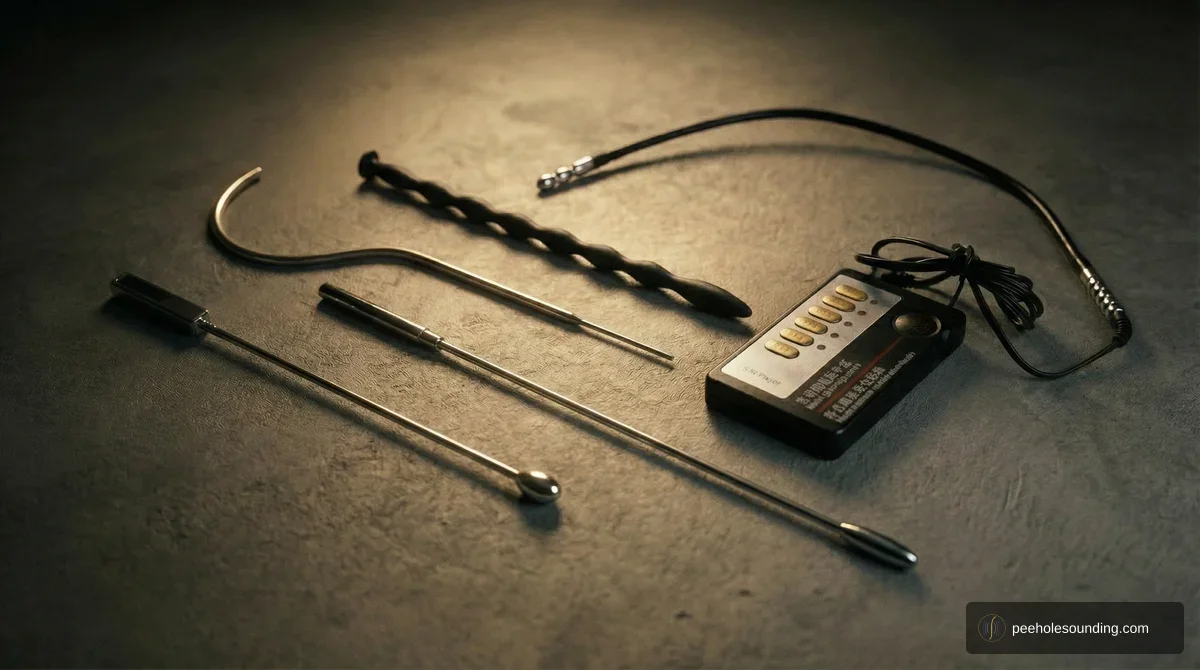
Sounding Toy Guide: Types, Materials & How to Choose
Mar 10
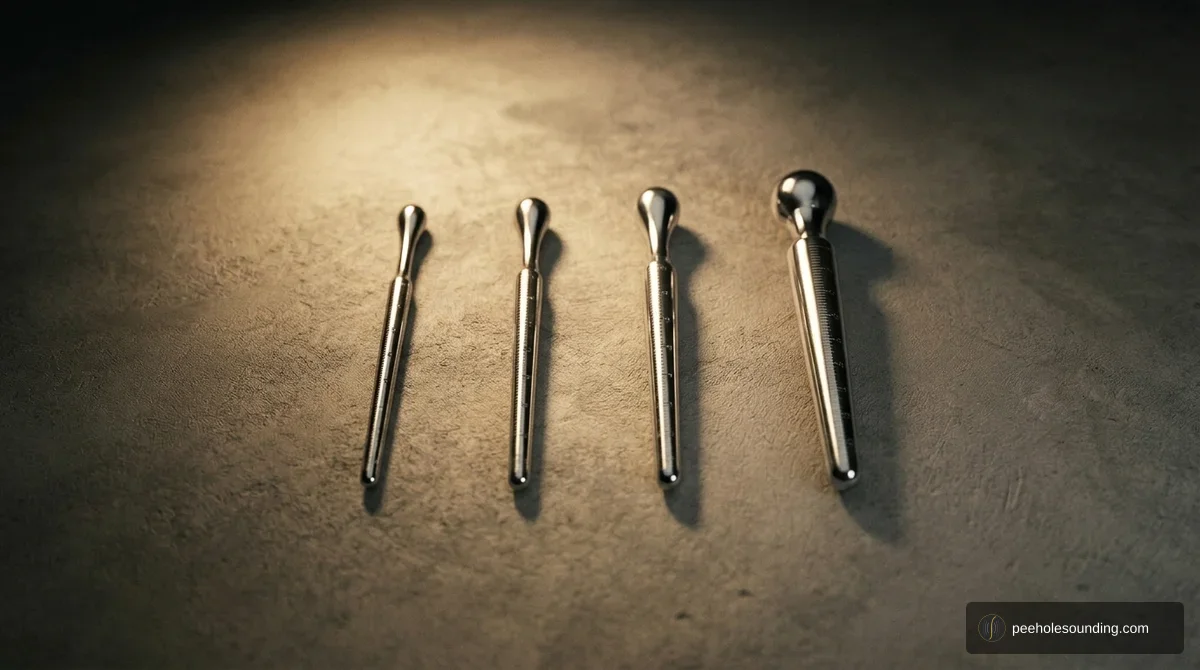
What Size Sounding Rod Should Beginners Start With?
Mar 15
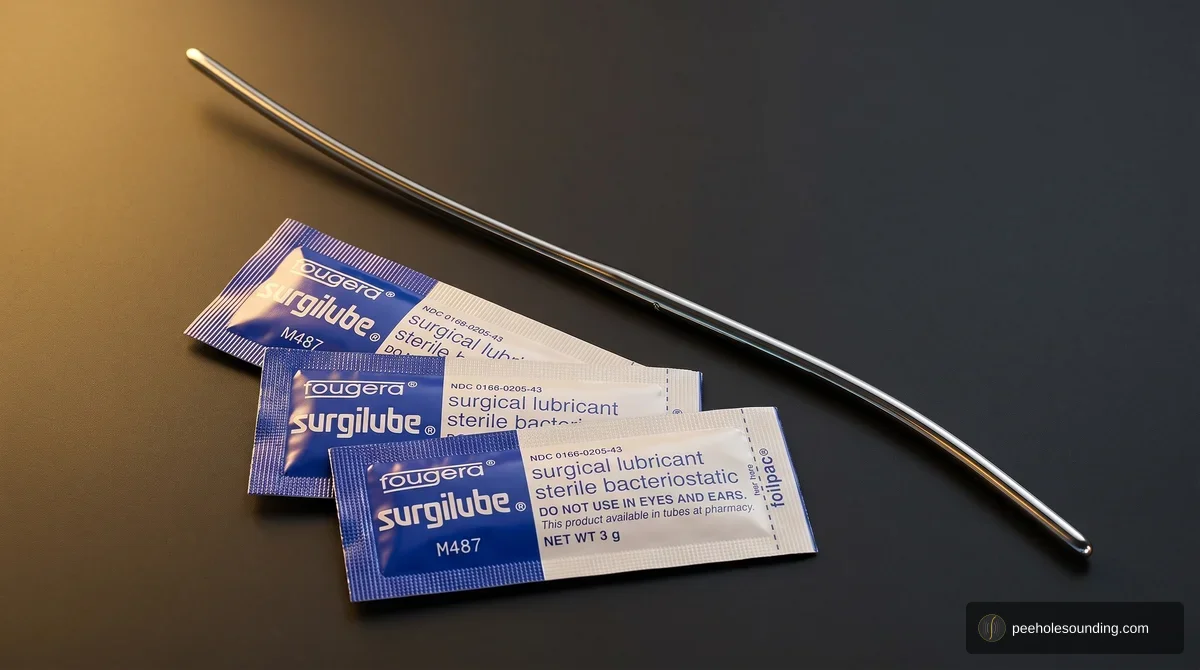
Best Lube for Sounding: Sterile Picks That Actually Work
Apr 20
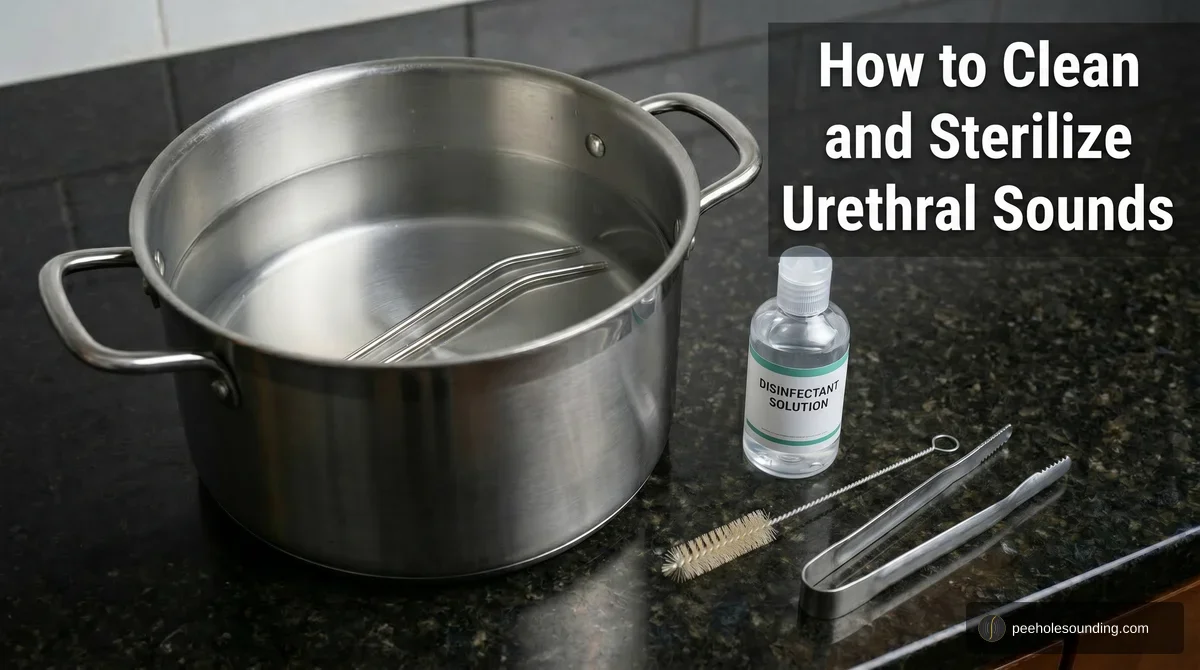
How to Clean and Sterilize Urethral Sounds
Mar 20
Is Sounding Safe? Sounding Safety Protocols & Risks
Mar 5
How to Insert a Urethral Sound (Step-by-Step)
Mar 25

Female Urethral Sounding: Beginner Techniques & Safety
Mar 30

Chastity Sounding: How a Cage and a Urethral Insert Actually Work Together
Aug 23