Sounding Kink: Why People Do It & How to Start
An honest practitioner's look at the sounding kink: why people do it, what it actually feels like, and how to start exploring safely without buying anything yet.
 By Kevin Voss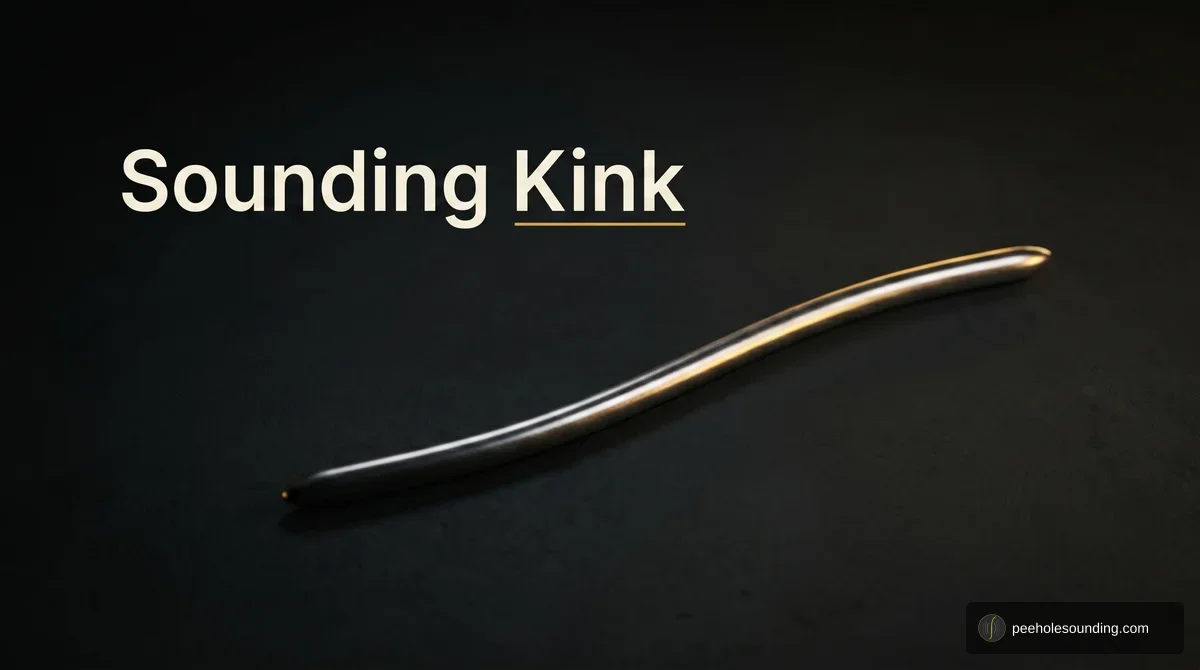
The sounding kink is a sexual practice where a smooth, sterile rod (a “sound”) is gently inserted into the urethra for pleasure rather than for medical treatment. Practitioners describe it as intense, prostate-stimulating, and emotionally vulnerable: a kink that overlaps with BDSM, medical play, and curiosity-driven sexual exploration.
If you're here because you ran into the word “sounding” somewhere and thought wait, people do that for fun? Yeah, they do. I've been doing it for about ten years, and the question I get on Reddit almost every week is some version of why. This is the curiosity-first version of the conversation: no fear-mongering, no sales pitch. Just what the kink actually is, who's into it, and what to do with that information if it's pulling at you.
Medical Disclaimer: This content is for educational purposes only and is not a substitute for professional medical advice, diagnosis, or treatment. Always consult a qualified healthcare provider before starting any new practices.
What is the sounding kink?
The sounding kink takes a medical tool (a sound) and uses it for sexual pleasure instead of for diagnosis or dilation. The rod is inserted slowly into the urethra (the tube that carries urine out of the body) and creates a sensation almost nothing else does: deep, internal, full. For a definitional deep-dive, see my guide on what urethral sounding actually is.
Most of the time, “sounding” means urethral sounding, and that's what this guide concentrates on. There's also cervical sounding, where the sound goes through the vagina into the cervix and uterus instead of the urethra. It shares the name and the same basic idea, but it works on different anatomy (the reproductive tract, not the urinary one) and carries its own, higher safety demands. We'll concentrate mostly on urethral sounding here.
That word, kink, is doing a lot of work, though. So let me unpack it.
How it differs from medical sounding
Urologists have been sounding people for over a century. They use stainless steel rods (often Hegar dilators) to widen urethral strictures, prep for procedures, or check the size of the urethra. Same instrument, completely different aim. If you're curious about the medical lineage of the gear, I wrote about it in Hegar sounds explained.
What separates the kink from the procedure is intent. The doctor is fixing a problem. The practitioner is chasing a sensation. That's really it.
Kink, fetish, BDSM: which word fits?
Quick taxonomy, because the words get tangled. Kink is the umbrella term for anything outside vanilla sex. Fetish is more specific: it implies arousal anchored to a particular stimulus, person, or scenario. BDSM is a consent-and-roles framework that covers bondage, discipline, dominance, submission, sadism, and masochism. Sounding can be any of these. For some people it's just an intense sensation they enjoy. For others it's a fetish in the textbook sense, where the sound itself is the turn-on. And for a lot of practitioners, especially in partnered play, it lives inside BDSM scenes alongside medical play, control dynamics, or vulnerability work.
Most of the community uses these words interchangeably and nobody minds. Pick whichever one feels honest. And when you hit any other word this world never explains (meatus, Hegar, French sizes), the sounding glossary defines every term in one place.
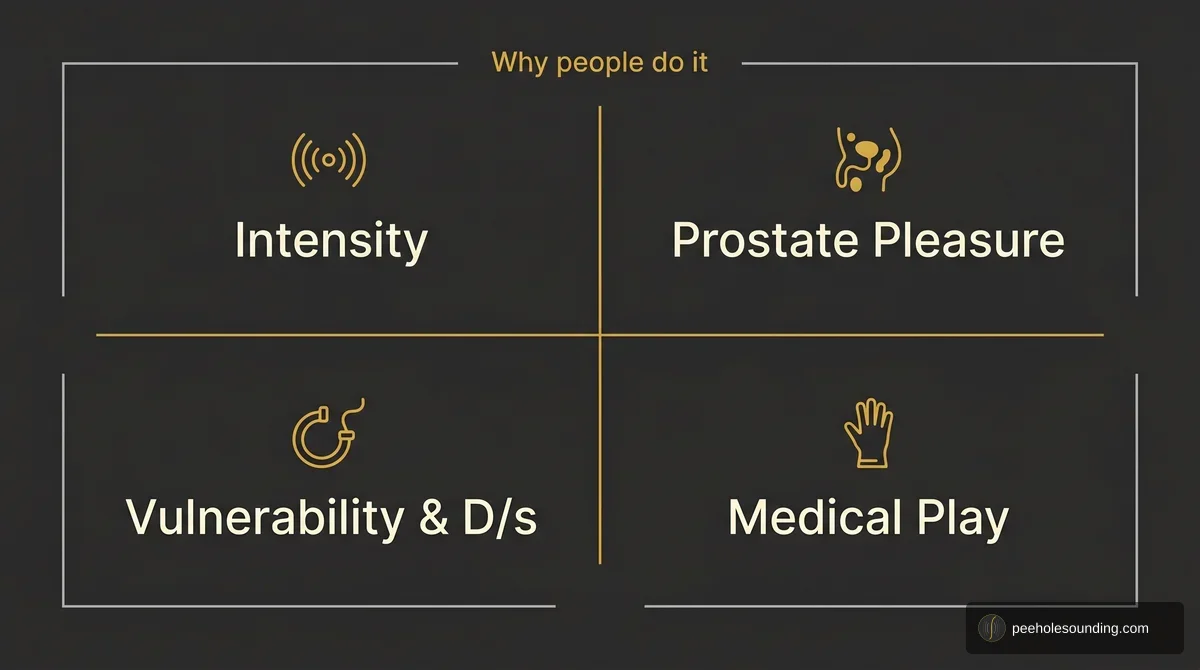
Why people do it: the four motivations
Here's where every article online either hand-waves or quotes one anonymous interview. So let me actually answer it. In a decade of conversations with other sounders, four motivations come up over and over. Most practitioners are pulled by two or three of them at once.
Intensity and a sensation you can't get elsewhere
Sounding produces a kind of stimulation that surface play just can't replicate. There's a deep, internal pressure as the sound settles into the urethra. The fullness builds gradually. For a lot of people, me included, this is the whole draw. It's not that it's pleasurable in the same way a handjob is pleasurable. It's a different category of feeling. Some practitioners describe it as the difference between a regular orgasm and one you feel in your bones.
Prostate pleasure via the prostatic urethra
The urethra runs straight through the prostate gland on its way out from the bladder. That short stretch even has its own anatomical name: the prostatic urethra. When a sound reaches it, you're stimulating the prostate from a completely different angle than anal play does: internally, from above. For people with prostates, this is often the single biggest reason they start. I've written more about the sensation side of this in does sounding feel good.
Vulnerability, taboo, and D/s play
The penis is normally the doing organ. It enters, it acts, it's the subject of the sentence. Sounding flips that. The penis becomes a receiver. That role reversal is a huge psychological draw, especially in partnered play and dominance-submission dynamics. The taboo of penetrating a part of the body that almost never gets penetrated does the rest of the work. A partner sounding a submissive isn't just a physical act. It's a scene about control, surrender, and the kind of vulnerability most sex doesn't reach.
Medical play and the crossover with kink scenes
Some people came to sounding through medical play: scenes that use clinical aesthetics (gloves, sterile fields, exam-room language) as the erotic frame. Sounding fits the aesthetic perfectly because the equipment is already medical. The line between “I'm doing this because the sensation is incredible” and “I'm doing this because the scenario is incredible” can get blurry, and that's fine. Both are valid entry points.
Chastity and sounding together
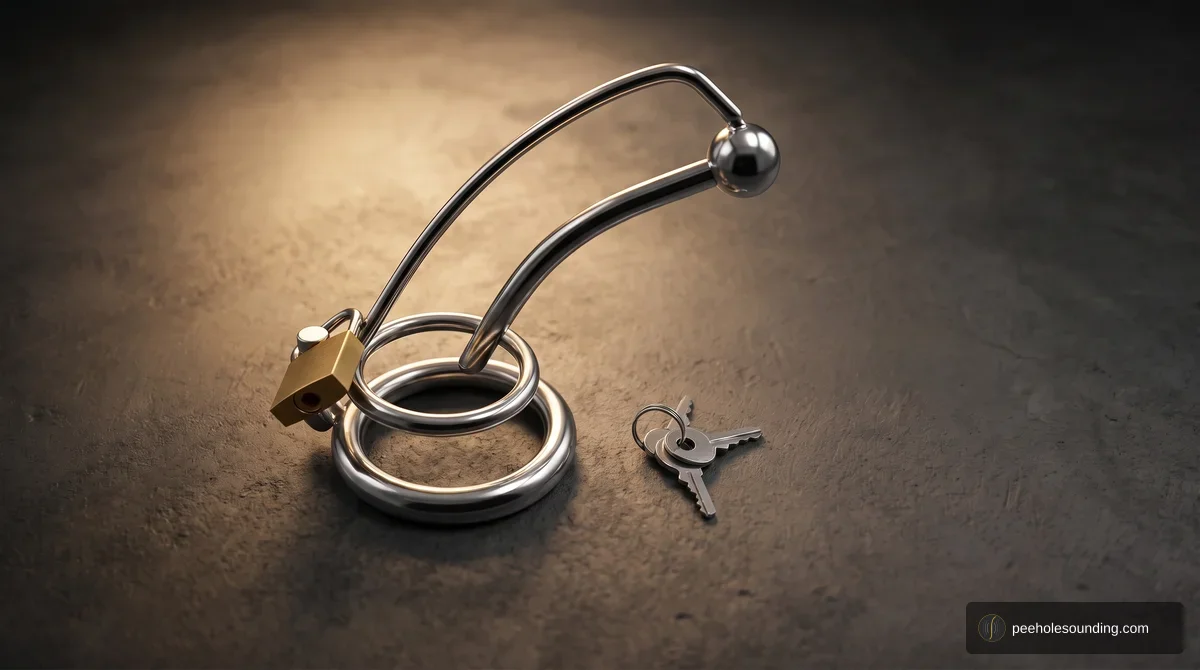
The other common crossover pairs a sound with a chastity cage, so the wearer is locked out of erection and occupied internally at the same time. It appeals for the obvious reason: the control is layered, and none of it is under the wearer's control. It also carries a risk the rest of this page does not, because a device worn continuously is a different proposition from one used in a session. Chastity sounding covers how you urinate with an insert in, how long one can reasonably stay, and where the limits actually come from.
What kind of person tries sounding
The honest answer is: more kinds of people than you'd guess.
The stereotype is men in their 30s who fell down a Reddit rabbit hole. That's real (I was one of them), but it's not the whole picture. Women try sounding too, mostly out of curiosity about a kind of urethral pleasure that doesn't get much airtime. Couples add it to their play to introduce intensity that vanilla sex doesn't deliver. People with prostate-stimulation backgrounds (already into prostate massagers, P-spot toys, or anal play) often find sounding as the next step. People in D/s relationships use it for scenes built around vulnerability and surrender. And ex-medical-fetish practitioners often discover sounding is exactly what their existing kink was pointing at all along.
The one thing they have in common: nobody arrives by accident. You hear about sounding, sit with it for weeks or months, and only then decide. That's a normal part of getting into this.
Is the sounding kink right for you?
This is the question I never see asked anywhere else, so let me ask it for you. The answer isn't yes or no. It's a self-check.
Probably yes if you...
- Find the idea uncomfortable but also intriguing (that mix is the kink for a lot of people)
- Are drawn to intense, focused sensation more than to soft, diffuse pleasure
- Have a strong interest in prostate stimulation or already enjoy anal play
- Like the vulnerability and surrender side of sex
- Have any pull toward medical play or the clinical aesthetic
- Already think of yourself as kinky-curious and want a new direction to explore
Probably not, or not yet, if you...
- Find the idea purely repulsive (some people just aren't wired for this, and that's fine)
- Have an active urinary tract infection, urethral injury, or current STI (wait until you're healed)
- Want low-risk, low-effort sex (sounding isn't casual; it asks for setup)
- Are looking for shock-value bragging rights rather than the actual experience
When I first read about sounding, I bounced off the idea for nearly six months. The mental picture made me cross my legs. What eventually pulled me back was realising that the discomfort I felt about it was kind of the point. The intensity I was reacting to was the same intensity people were doing it for. Once that clicked, I started reading properly.
How sounding actually feels
The first time is usually more strange than anything else. Your body has never been touched in this specific way before, and there's no script for it. That's normal. The pleasure comes later. For most people, the first session is more about getting comfortable with the sensation than about climax. For a much more thorough sensation breakdown, see does sounding feel good.
Does sounding hurt the first time?
Not if you do it right. There's usually a small sting as the sound passes the meatus (the urethral opening), and some mild burning afterward is normal. Sharp, ongoing pain is not. That's the signal to stop. The single biggest cause of first-time pain is using too little lubricant. Use more than feels reasonable. I cover the lube question in detail in best lube for sounding, and the full first-session breakdown lives in our walkthrough.
What an orgasm with a sound feels like
This is the part the medical sites won't write. With a sound inserted, orgasm has a completely different geometry. The muscles that normally contract around an ejaculation are now contracting around an object, and that internal pressure radiates outward. For people with prostates, the contractions hit the gland with each pulse. The result is often longer, more intense, and weirdly emotional. Practitioners regularly describe their first sounding orgasm as overwhelming in a way they weren't expecting.
That doesn't happen the very first time for most people. Plan for the first few sessions to be exploratory rather than climax-focused.
How to start exploring (before you spend anything)
Here's the part most articles get backwards. They assume the next step is buying gear. It isn't. The next step is information, community, and conversation. The gear comes later, and it comes cheaper once you actually know what you want.
Start with this site
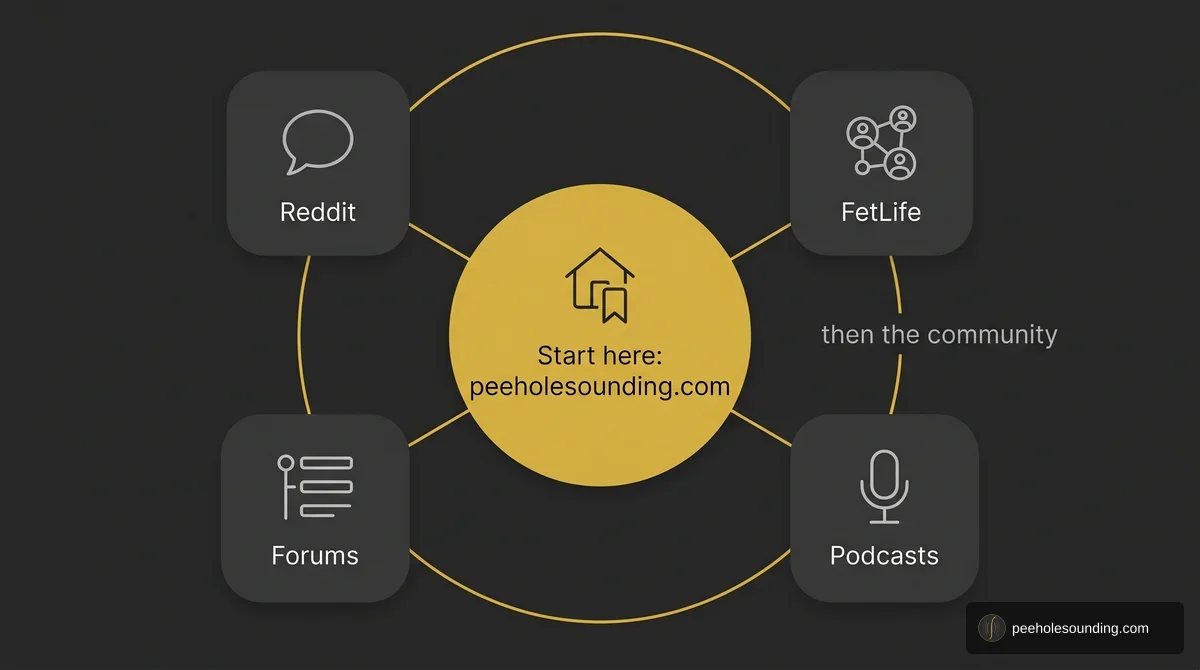
Number one, before anything else: the site you're on right now. I built peeholesounding.com to be the resource I went looking for as a nervous beginner and couldn't find. Start with what urethral sounding actually is, then read the beginner's guide and the safety protocols. They go deeper on the anatomy, the gear, and the risks than any forum thread will.
Communities where sounders actually talk
Once you've got the basics from the guides here, the community is where the lived experience lives. Almost nobody else tells you where it actually is, so here's the map.
- r/sounding and r/urethralplay on Reddit: the largest English-language sounding communities. Read the wiki and the top-voted posts of all time before you ask anything.
- FetLife groups: search “sounding” on FetLife and you'll find several active groups. The vibe is more partner-and-scene oriented than Reddit.
- ElectraStim community forums: narrower (focused on e-stim sounding) but the most technical conversation on the internet.
- Kink-positive podcasts: a number of podcasts on adventurous sex have covered sounding directly. Lurk before you post anywhere.
A weekend of lurking in two of those spaces will teach you more than another six articles will.
Talking to a partner about it
If you're in a relationship and want to bring sounding up, treat it like any other kink negotiation: low-pressure, curiosity-framed, no expectation of an answer tonight. The script I use is some version of “I've been reading about something I'm curious about. I want to share what it is. There's zero pressure to do anything with it. I just want you to know.” That removes the immediate-decision pressure, which is what makes these conversations go sideways.
Solo first session vs partnered first session
Most people start solo, and I think that's right. You're learning how your own body responds, and the feedback loop is faster when you're not also managing a partner's nerves. Partnered first sessions make sense when you're already in a D/s dynamic where the scene is part of the appeal, or when one partner has experience and is guiding the other. When you're ready for the actual mechanics, head to the beginner's guide to urethral sounding.
The real risks: honest harm-reduction
I'm not going to scare you off, but I'm also not going to pretend this is risk-free. Five things can actually go wrong with sounding, in roughly descending order of likelihood:
- Urinary tract infection: the most common risk, almost always from inadequate sterilisation. See how to clean and sterilize urethral sounds.
- Urethral micro-tears: from insufficient lubrication, wrong-sized sounds, or rushing. Mild ones heal in days; deeper ones need attention.
- Foreign object retention: almost always from improvised gear without a flared end. Use real sounds. Never improvise.
- False passage: a sound tunnels through the urethral wall into surrounding tissue. Rare, serious, requires medical repair. Caused by force.
- Prostatitis: inflammation of the prostate, often from infection introduced during sounding.
Most of this is preventable by using sterile gear, plenty of sterile lubricant, and never forcing anything. The full safety treatment lives in safety protocols and risk mitigation, and the most common fears about sounding (most of which are exaggerated) get debunked in sounding myths and misconceptions.
When to stop and call a doctor
Stop the session and get medical attention if you experience any of these:
- Bright red blood (a few pink-tinged drops in your first urination is normal; flowing blood is not)
- A fever within 24 hours of a session
- Inability to urinate
- Sharp, persistent pain that doesn't fade
- A sound or object that has gone too deep and you can't retrieve
Going to a clinician is not a moral failure. Urologists have seen sounding before, and a kink-friendly provider won't shame you. The community has resources for finding one if you need it.
Frequently Asked Questions
Related Guides
What Is Urethral Sounding? A Complete Guide to Safety, Pleasure & Getting Started
Feb 15

Sounding Pleasure: What It Feels Like & Why People Chase It
Feb 22
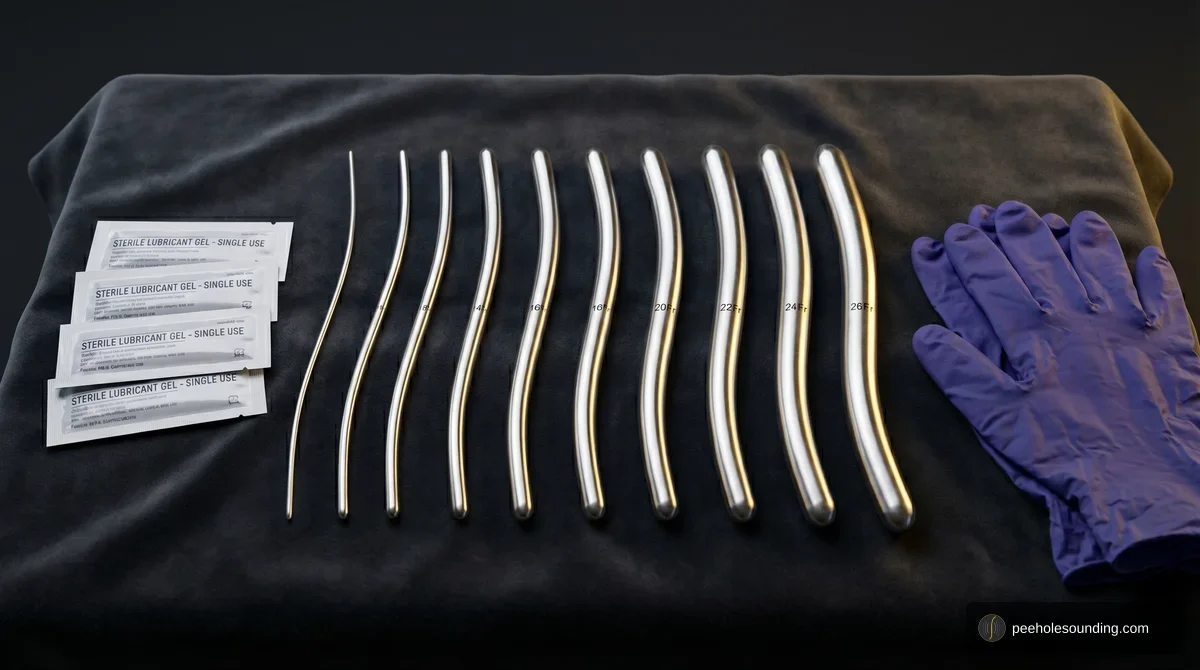
Urethral Sounding for Beginners: Sizes & First Session
Apr 5
Sounding Myths Debunked: 10 Misconceptions That Keep People From Exploring Safely
Mar 1
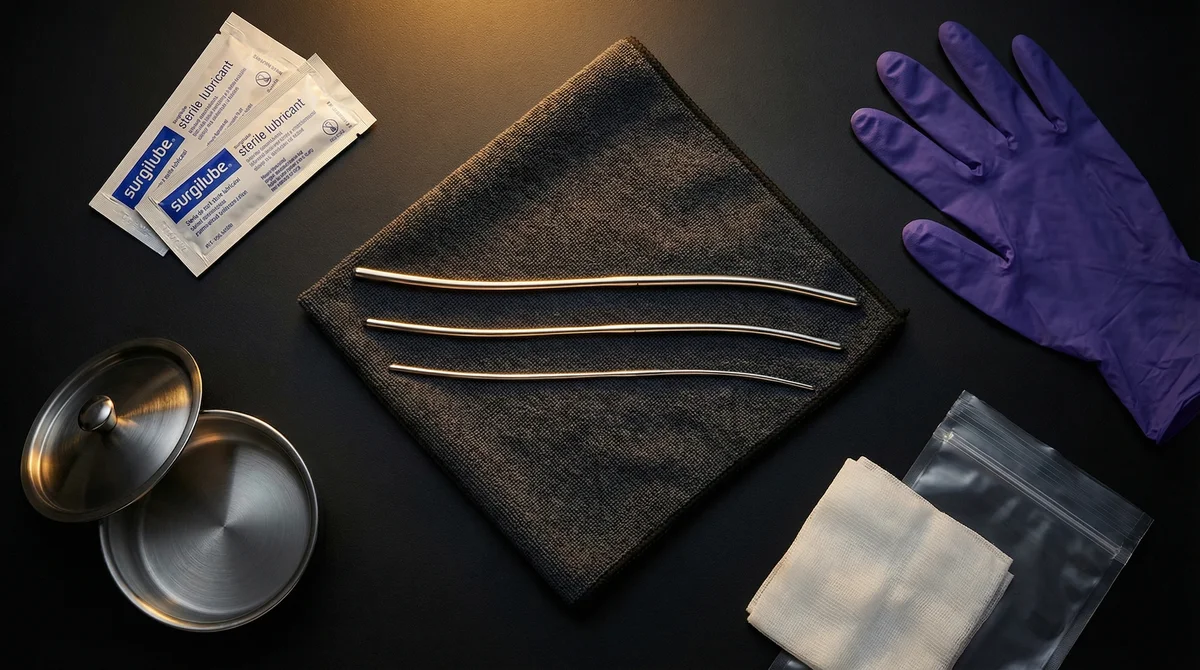
Is Sounding Safe? Sounding Safety Protocols & Risks
Mar 5
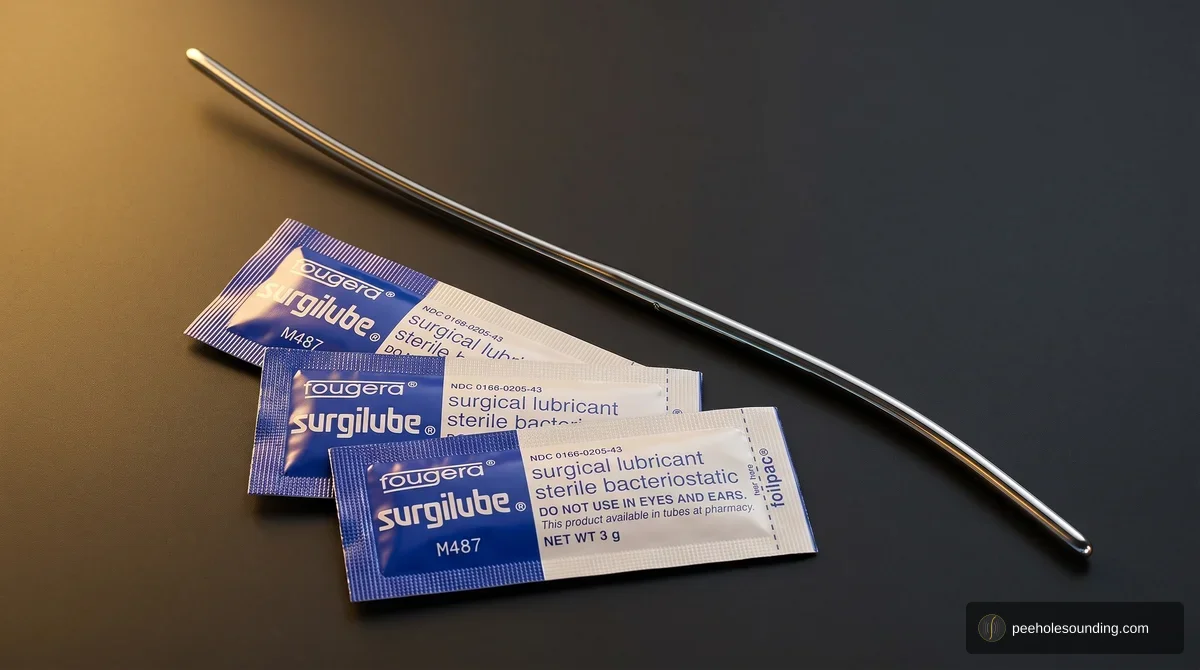
Best Lube for Sounding: Sterile Picks That Actually Work
Apr 20
Chastity Sounding: How a Cage and a Urethral Insert Actually Work Together
Aug 23